Scora
They asked for quick fixes. We gave them a platform.
The brief was a patch job. The opportunity was a platform.
Scora, an EdTech assessment platform, reached out with a clear brief: apply a handful of technical fixes and help get the product live. Before touching a single line of code, a rapid UX audit was proposed. The stakeholders, eager to launch, agreed, expecting it to confirm the fixes were minor. What the audit found changed the engagement entirely.
“That single decision, a UX audit before any code changes, shifted the engagement from a short-term patch to an eight-month strategic transformation of the entire product.”
Project origin, ScoraFour failure modes, all interconnected.
The audit revealed that Scora's issues were not isolated technical bugs. They were structural UX failures that had accumulated across the entire product, each one compounding the others. Launching with these intact would have meant launching with a product that actively worked against its own users.
Inconsistent UI Patterns
Unoptimised Workflows
Accessibility & Hierarchy Issues
Fragmented Portal Ecosystem
Heuristics, benchmarks, and a product roadmap in one pass.
The audit was structured against established UX heuristics and benchmarked against competing EdTech assessment platforms. Every finding was rated by severity, critical issues blocking core workflows, significant issues degrading experience quality, and minor issues creating friction. The output wasn't a list of problems. It was a strategic roadmap.
A locked brand palette, turned into an anchor.
The most significant design constraint was a locked brand colour palette. The client had existing brand assets and marketing materials that meant the colour system couldn't be changed. In a typical redesign brief, this would be a starting limitation. In Scora's case, it became the creative anchor.
The Constraint
Locked brand colour palette, the brand's colour system was fixed. No changes to primary, secondary, or accent hues. Rather than treating this as a limitation, it became the stable foundation that everything else was built around.
What It Freed
Typography scale, whitespace rhythm, grid system, component density, shadow & elevation, and motion & feedback, all of these did the heavy lifting of the visual refresh, proving hierarchy and structure can modernise a product without touching a single hex value.
Five pillars of strategic execution.
Design System Creation
A component-based design system built to unify the entire product language.
Workflow Optimisation
End-to-end user journey mapping across all three user types, every redundant step eliminated.
Multi-Portal Redesign
All three portals redesigned from the same design system, each tailored to its user's specific context.
Rapid Prototyping & Iteration
Early prototypes tested with stakeholders before development began. Iteration happened fast, elements that didn't resonate were cut before they became code.
Website Redesign
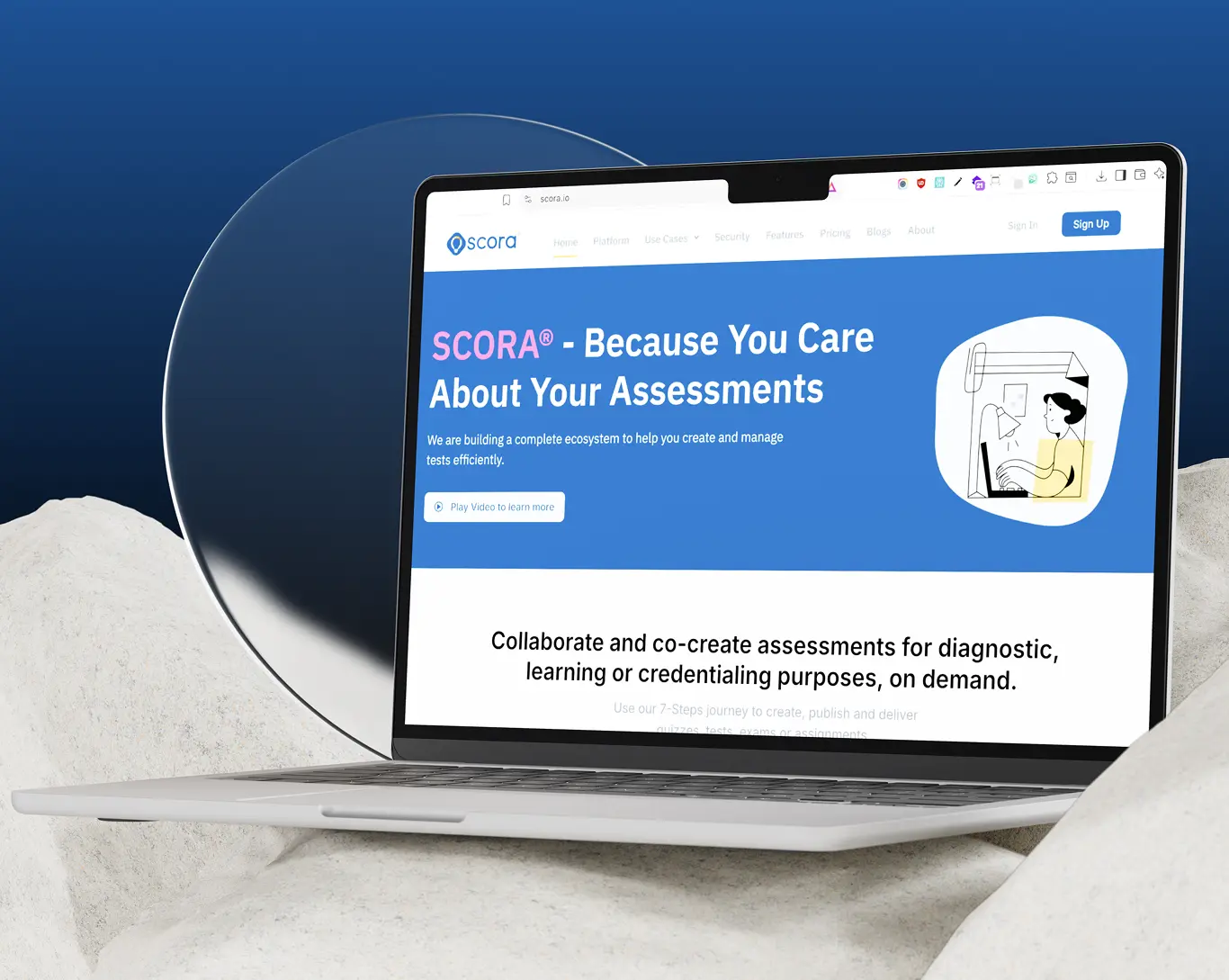
Marketing website redesigned in alignment with the platform overhaul, extending the refreshed visual language to the first touchpoint.
The single source of truth for every future decision.
The design system wasn't a deliverable, it was the infrastructure that made everything else possible. Without it, redesigning three portals in parallel would have produced three more fragmented products.
Typography Scale
Display, heading, body, caption, and label scales with line-height and tracking specs. The system that replaced the flat type hierarchy the audit identified.
Colour Tokens
Semantic colour roles (primary, surface, status, feedback) mapped from the locked brand palette. Tokens, not raw values, ensuring consistency across all contexts.
Component Library
Buttons, inputs, cards, modals, tables, navigation, badges, and status indicators. Every component documented with states, default, hover, active, disabled, error.
Interaction Patterns
Loading states, error handling, empty states, and feedback animations. Consistent interaction behaviour across all portals regardless of which team built each one.
Three portals. Three contexts. One ecosystem.
The most visible output of the design system was what it made possible: three completely different portal experiences that felt, for the first time, like they belonged to the same product. Each portal's UX was tailored to its user's specific workflow. The visual language was shared.
Candidate Portal
Examiner Portal
Admin Portal
What delivering beyond the brief actually produced.
Scalable design system
A reusable component library and token system that enables the Scora team to build new features consistently without design involvement in every component decision. The design investment compounds with every future addition.
Streamlined workflows
Redundant steps eliminated across candidate, examiner, and admin journeys. The number of interactions required to complete core tasks reduced significantly, turning friction into flow.
Unified multi-portal experience
For the first time, all three user-facing portals felt like one coherent product. Consistent interaction patterns, shared visual language, and aligned information architecture.
Future-ready platform
The platform was not just redesigned, it was architected to scale. New features, portals, and user types can be added without breaking the system or requiring another full redesign.
What strategic UX engagement actually looks like.
Small fixes rarely solve product problems
Surface-level patches address symptoms, not causes. The Scora audit proved that the presenting issue was a downstream effect of structural UX failures. Addressing only the symptoms would have shipped a fundamentally broken product.
A UX audit is the highest-leverage first step
One audit session, before any design work, reframed the entire project scope, aligned stakeholder expectations to reality, and produced a strategic roadmap. The cost was a fraction of the cost of shipping without it.
Constraints become anchors when respected
The locked colour palette that seemed restrictive turned out to be clarifying. With colour off the table, every other design decision had to carry the full weight of the visual transformation.
Design systems are infrastructure, not deliverables
The most lasting impact wasn't any individual screen, it was the design system that made all the screens possible. Infrastructure decisions taken early compound in value over every future feature cycle.
Scora came in with a launch deadline and a list of technical patches. A single UX audit before touching code changed everything, revealing issues deep enough that shipping without addressing them would have been a strategic mistake. Eight months later: a design system, three redesigned portals, and a new website.